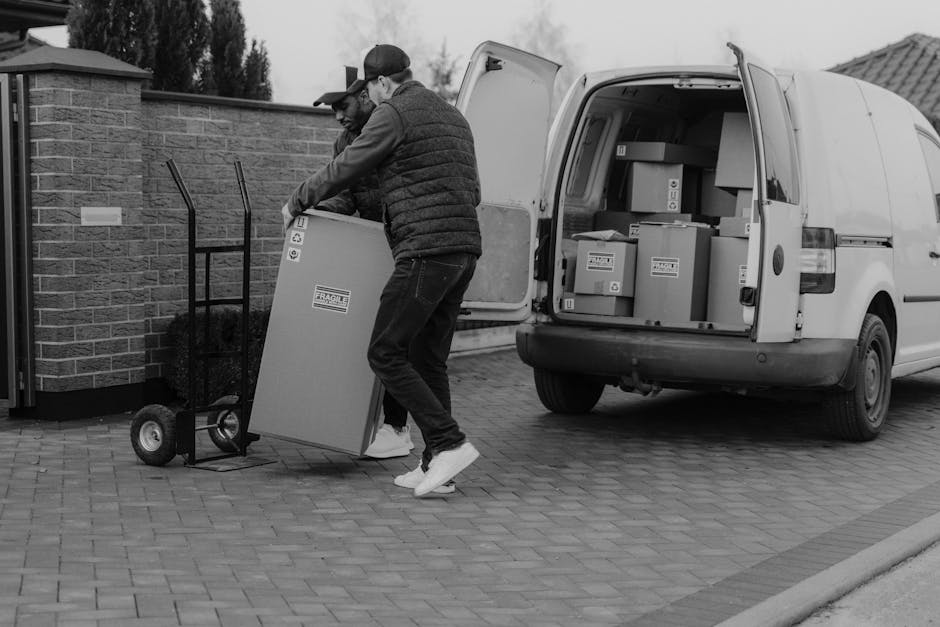
High Barnet Station Man and Van Service Guide
If you are planning a move near High Barnet station, a man and van service can be the difference between a day that feels manageable and one that turns into a scramble. The station area has its own rhythm: busy roads at peak times, tight parking in places, steps, kerbs, and the usual London mix of neighbours, deliveries, and impatient traffic. This High Barnet station man and van service guide walks you through what the service is, how it works, who it suits, and how to avoid the common headaches that catch people out. Truth be told, a little planning goes a long way.
Whether you are moving out of a flat, collecting furniture, shifting student belongings, or just need a reliable lift for awkward items, the right approach saves time, money, and a fair bit of stress. You will also find practical advice on booking, packing, access, and what to expect on the day. In our experience, the best moves are rarely the fanciest ones. They are the ones that are prepared properly.
Table of Contents
- Why this guide matters
- How the service works
- Key benefits and practical advantages
- Who it is for and when it makes sense
- Step-by-step guidance
- Expert tips for better results
- Common mistakes to avoid
- Tools, resources and recommendations
- Law, compliance, standards, or best practice
- Options, methods, and comparison
- Case study or real-world example
- Practical checklist
- Conclusion
- Frequently asked questions
Why High Barnet station man and van service guide Matters
High Barnet station sits in a part of north London where convenience matters, but convenience can disappear fast if you underestimate local logistics. A van can be parked legally one minute and awkwardly blocked the next. A quick move can become a slow one if the loading bay is not planned, access is tight, or the driver cannot get close to the entrance. That is exactly why this guide matters.
A man and van service is not just about having a vehicle and someone to help load it. It is about matching the job to the scale of the move. A single room, a small flat, a few bulky pieces, or a last-minute collection all sit comfortably in that space. Bigger house moves may still use this type of service in stages, especially if storage is involved or the move needs to happen over several trips.
Local knowledge also helps. Around a station, timing can matter more than people expect. School runs, commuter traffic, narrow side streets, and busy shopping periods all change how smooth the job feels. If you have ever stood by the pavement waiting for someone to reverse into the only workable spot, you will know what I mean. It is a small thing, but it matters.
Expert summary: The best station-area man and van bookings are built around access, timing, load size, and clear communication. If those four things are handled well, the rest usually falls into place.
How High Barnet station man and van service guide Works
At its simplest, the service gives you a driver and a van for moving items from one place to another. In practice, it can range from a quick one-hour furniture collection to a carefully planned move involving packing help, loading assistance, transport, and unloading at the destination.
Here is the usual flow:
- You explain what needs moving, where it is going, and any access issues.
- The provider estimates the vehicle size, time required, and number of helpers needed.
- You agree a schedule and any special instructions.
- On the day, the van arrives, items are loaded carefully, and the move is completed with unloading at the other end.
That sounds simple enough, and often it is. But the detail makes the difference. A second-floor flat with a narrow staircase is not the same as a ground-floor storage pickup. A wardrobe that cannot be dismantled is not the same as six boxes and a lamp. Good providers will ask about those things upfront so there are fewer surprises later.
Many people also use related moving help alongside a man and van booking. If you are shifting a full home, you may want to look at house removals in Barnet or compare the wider services overview before deciding what level of support you need.
Key Benefits and Practical Advantages
There are good reasons why this service is so popular near station areas. The first is flexibility. You do not need to hire a huge removal lorry for a small job, and you do not need to coordinate a complicated multi-crew operation if the move is modest.
Another benefit is speed. If your move is simple and access is clear, a man and van team can often get moving quickly. That makes it a useful choice for last-minute changes, marketplace pickups, eBay collections, furniture store runs, or end-of-tenancy moves where timing is tight.
Then there is cost control. You are generally paying for the van, the driver's time, and any extra labour needed. That can be more efficient than hiring a larger service than your job actually requires. Of course, the final figure depends on distance, time, loading difficulty, stairs, waiting, and whether you need extra help. There is no magic number here. If someone gives one without asking questions, be a bit cautious.
- Flexible for small to medium jobs
- Useful for local collections and short-distance moves
- Often easier to book at short notice than larger removals
- Good for awkward items when you do not need a full removal team
- Can be combined with packing or storage when needed
If you are comparing options, it helps to understand the difference between a general moving service and specialist support. For example, fragile or difficult items may need dedicated handling. That is where pages such as furniture removals Barnet or piano removals Barnet can become useful additions to your planning.
Who This Is For and When It Makes Sense
This kind of service suits more people than you might think. It is not just for students or people moving one sofa. In fact, station-area bookings often come from a fairly mixed crowd: renters, new homeowners, small businesses, landlords, students, and people who simply need help getting bulky items from A to B.
It tends to make the most sense when:
- you are moving from or to a flat with limited parking;
- you have fewer items than a full removals crew would reasonably handle;
- you need a local, same-day or next-day collection;
- you are relocating between nearby addresses and want to keep costs sensible;
- you need help with lifting, carrying, or loading, but not a full household move.
Students often find it particularly useful, especially during term changes or when moving into shared housing. If that is your situation, see the more specific student removals Barnet service. It is often a better fit than trying to improvise with a friend's car and a prayer.
It also works well for people moving flats. The route from a station-side apartment to another local property can be short on the map and still fiddly in real life. If that sounds familiar, flat removals Barnet is worth reading alongside this guide.
Step-by-Step Guidance
If you want the day to run smoothly, take it in order. Rushing around at the last minute is how boxes go missing, addresses get muddled, and everyone ends up feeling slightly frazzled by mid-morning.
- List everything that needs moving. Be honest about the size and shape of the load. A dining table, for example, is not just one item if it needs dismantling.
- Check access at both ends. Think about stairs, lifts, low ceilings, narrow hallways, and whether parking is actually possible close to the entrance.
- Choose the right service level. If you only need transport, say so. If you need loading help, make that clear. If you need both packing and moving, plan for it.
- Pack in a way that helps the move, not hinders it. Heavy items in small boxes are easier to handle than giant overfilled ones. Obvious, but people still do it.
- Label boxes by room and priority. It saves a surprising amount of faffing at the other end.
- Confirm timing and contact details. Station-area moves are easier when everyone knows when to expect the van and where to meet.
- Prepare a clear unloading plan. Know where the biggest items should go first so the unloading does not become a slow puzzle.
One small but important point: if you are arranging removals on a tight deadline, ask whether the service can handle urgent jobs. The same day removals Barnet option may be more suitable if your timings have gone a bit sideways.
And if you are moving more than a few boxes, proper packing materials are not overkill. They are insurance against a bad day. A roll of tape, a marker pen, and decent boxes can save you from a lot of muttering later.
Expert Tips for Better Results
There are a few habits that consistently make a move easier. None of them are glamorous, which is probably why people skip them. But they work.
- Book a sensible time window. Early starts are often easier around busy station areas. Less traffic, less pressure.
- Take photos of awkward items. A picture of a sofa, bed frame, or narrow staircase can help the mover understand the job before they arrive.
- Separate essentials. Keep chargers, documents, keys, medicine, and one change of clothes with you. Not in the back of the van.
- Use the right boxes for the job. Heavy books go in smaller boxes. Clothes and bedding can fill larger ones.
- Clear a path before the van arrives. It is amazing how often this is forgotten. Shoes, bins, bikes, and random bags all get in the way.
Another tip: ask about insurance and handling expectations. A trustworthy provider should be able to explain how items are managed and what level of cover or care is standard. If you want a more detailed overview of that side of things, the insurance and safety page is worth a look.
Also, do not underestimate waste and offcuts. Moving is a good time to reduce clutter. Reuse boxes where possible, recycle damaged packaging, and avoid sending good materials to the bin just because the day feels busy. There is a useful sustainability angle here too, which the recycling and sustainability page covers in more detail.
Common Mistakes to Avoid
Most moving problems are not dramatic. They are small errors that stack up. The good news is they are easy to avoid if you know what to watch for.
- Underestimating the load. It happens all the time. What felt like "a few items" turns into a full van once the cupboards are opened.
- Ignoring access issues. A van cannot magically appear next to a front door with no parking and three yellow lines. It would be handy, but no.
- Leaving packing too late. Last-minute packing often means broken items, missing labels, and frantic tape hunts.
- Not checking item sizes. Measure the big stuff. Especially beds, wardrobes, and appliances.
- Forgetting about timing around the station. Peak commuter periods can make a simple move slower than expected.
- Choosing the cheapest quote without asking questions. A cheap estimate that excludes access, waiting, or help can end up costing more in practice.
There is also a trust issue here. If you are comparing transport providers, read the service details carefully and make sure you understand what is included. A quick glance at the terms and conditions can prevent awkward surprises later. Not exciting, I know, but useful.
And if something does go wrong, it helps to know there is a proper route for raising concerns. The complaints procedure page is there for exactly that reason.
Tools, Resources and Recommendations
You do not need a warehouse full of equipment to organise a good move. A few simple tools are enough for most station-area jobs.
| Item | Why it helps | Best use |
|---|---|---|
| Sturdy boxes | Protects contents and stacks neatly in the van | Books, kitchenware, small household items |
| Packing tape | Keeps boxes secure during lifting and transport | Sealing and reinforcing box bottoms |
| Marker pen | Makes unloading quicker and more organised | Room labels, fragile notes, priority marking |
| Blankets or wraps | Helps prevent scuffs on furniture | Tables, headboards, wooden items |
| Furniture tools | Useful for dismantling beds or large units | Moves involving flat-pack or modular pieces |
If you need the packing side sorted properly, the packing and boxes Barnet page can help you think through materials and preparation. For bulkier household items, furniture removals Barnet is the more relevant companion page. Different jobs, different needs. Simple as that.
Some customers also like to keep storage in mind. If you are between places, doing a phased move, or waiting for a completion date, a short-term storage option can reduce pressure. In those cases, storage Barnet may be a practical part of the plan.
Law, Compliance, Standards, or Best Practice
Moving home or moving belongings is not usually a heavily regulated process for the customer, but there are still sensible standards worth respecting. In the UK, parking rules, loading restrictions, and local access conditions matter a lot more than people realise. Around stations especially, it is worth checking whether the van can stop safely and legally without causing a nuisance or risking a fine.
There is also a duty of care in how items are handled. Good movers should treat possessions carefully, communicate clearly, and work in a way that reduces risk to people, property, and themselves. That includes sensible lifting, stable loading, and not overpacking the vehicle. Health and safety sounds dry until someone drops a box down a stairwell.
If you are booking a service, it is reasonable to expect clear communication on payment, timing, and responsibilities. You should also expect privacy to be handled properly when sharing contact details or address information. For service standards, it is worth reviewing practical company policies such as health and safety policy, payment and security, and privacy policy.
On the ethical side, many people also like to know that a company takes responsible business practices seriously. The modern slavery statement gives a useful signal about that broader commitment, while about us helps you understand the team behind the service.
Options, Methods, and Comparison Table
Not every move near High Barnet station needs the same setup. Here is a simple comparison that may help you choose the right route.
| Option | Best for | Pros | Watch-outs |
|---|---|---|---|
| Man and van | Small to medium local moves, collections, light removals | Flexible, quicker to arrange, cost-effective | May not suit very large or complex moves |
| Full removals service | Whole-house moves, larger properties, more fragile loads | More support, better for complex logistics | Usually costs more and needs more planning |
| Same-day booking | Urgent relocations or unexpected collections | Fast response, practical in a pinch | Less flexibility, availability can be limited |
| Storage plus transport | Moves with delays between addresses | Reduces pressure during transitions | Requires extra organisation and timing |
If you are unsure where your move fits, start with a wider look at removal services Barnet or compare man with a van Barnet with removal companies Barnet. The right choice is not always the biggest one. Sometimes it is the one that matches the job neatly.
Case Study or Real-World Example
Here is a realistic scenario. A renter is moving from a one-bedroom flat a short walk from High Barnet station to another property a few streets away. The main challenge is not distance. It is access. The current flat is up a flight of stairs, the road outside is busy by mid-morning, and the sofa is just a touch too wide to carry comfortably without careful turning.
Instead of hiring a large vehicle, the renter books a man and van team with enough space for furniture, boxes, and a second pair of hands for lifting. The boxes are packed the night before, the biggest items are dismantled in advance, and the driver is given clear instructions about the best stopping point. The move takes far less effort than expected. A bit of waiting around? Yes, a little. But no chaos, no panic, no last-minute dash for tape.
This kind of job is exactly where a local, flexible service makes sense. It is not flashy. It just works.
For a similar move, a person might also combine the booking with flat removals Barnet support or choose packing and boxes Barnet help first, then use transport on moving day. That layered approach is often easier than trying to do everything in one rush.
Practical Checklist
Use this checklist before your booking. It keeps things tidy, and tidy is underrated.
- Measure large furniture and note any awkward angles or removable parts.
- Confirm both pickup and drop-off access, including stairs and parking.
- Pack fragile items securely and label them clearly.
- Keep essential items separate for easy access.
- Tell the mover about heavy, valuable, or unusual items in advance.
- Check whether dismantling or reassembly is needed.
- Make sure someone is available at both ends if required.
- Have payment details and booking confirmation ready.
- Build in a little time buffer around station traffic.
- Review service details so you understand what is included.
If you are still comparing the broader moving picture, a look at removals Barnet can help you see the bigger service landscape. And if your move is more office-led than domestic, office removals Barnet may be more appropriate.
Get a free quote today and see how much you can save.
Conclusion
A good man and van service near High Barnet station is really about reducing friction. It turns a potentially messy move into something controlled, practical, and far less stressful. The secret is not complicated: understand your load, plan for access, choose the right level of help, and communicate clearly. Do that, and the day usually feels much easier.
There will always be small surprises in any move. A staircase that looks narrower in person, a box that is heavier than expected, a bit of traffic at the wrong moment. That is life. But with the right planning and a sensible service choice, those moments stay small instead of becoming the whole story.
And honestly, that is what most people want from a move: calm, not perfection. Calm is enough.
Frequently Asked Questions
What is a man and van service near High Barnet station?
It is a flexible moving service that provides a van and a driver, often with one or more helpers, for transporting items locally or over short distances. It is commonly used for flat moves, furniture collections, student moves, and small removals.
Is a man and van service cheaper than a full removals team?
Often, yes, for smaller jobs. The service is usually more cost-effective when you do not need a large vehicle or a full crew. But if the move is large or complicated, a full removals service may offer better value overall.
How far in advance should I book?
For straightforward local moves, a little notice is helpful, especially if you want a specific day or time. If your move is urgent, same-day options may still be possible, depending on availability.
What should I tell the mover before the booking?
Share the size of the load, number of boxes, any heavy items, access details, stairs, parking issues, and whether anything needs dismantling. The more accurate the information, the smoother the job tends to be.
Can I use a man and van for a flat move?
Yes, very often. Flat moves are one of the most common uses for this type of service, particularly if the property has limited access or you only have a moderate amount of furniture and boxes.
What if I need help at both pickup and drop-off?
That is usually fine, but it should be agreed in advance. Mention if you need loading, unloading, carrying upstairs, or reassembly so the provider can plan enough time and labour.
How can I make sure my items are protected?
Use sturdy boxes, wrap delicate items carefully, label fragile items clearly, and avoid overpacking boxes. It also helps to ask about handling standards and insurance before the move.
Is parking around High Barnet station a problem for removals?
It can be, depending on the time of day and the exact address. Station-area traffic and local restrictions may affect how close the van can get, so it is wise to check access early.
What kinds of items are best suited to this service?
Furniture, boxes, white goods, student belongings, and collection jobs are all common examples. Very large, fragile, or specialist items may need a more tailored service.
Can I combine storage with my move?
Yes. If your dates do not line up neatly, storage can be a useful bridge between properties. It is especially practical for phased moves or when one address is not ready yet.
What if I need a quick move on the same day?
Ask whether urgent availability is possible. A same-day booking can work for smaller or simpler jobs, but it depends on schedule gaps and travel time.
How do I know if I need man and van or a bigger removals service?
As a rule of thumb, if your load is relatively small, access is manageable, and you do not need a full team, man and van is often the neatest solution. For larger homes, multiple rooms, or more complex moves, a full removals service may be the better fit.
What should I do on moving day itself?
Keep essentials aside, be ready with keys and instructions, make access as clear as possible, and stay reachable by phone. A calm start makes the rest of the day much easier.
Who can I contact if I want to discuss a move?
If you want tailored guidance or a booking conversation, use the service information on contact. It is the best starting point if you are unsure what level of help you need.